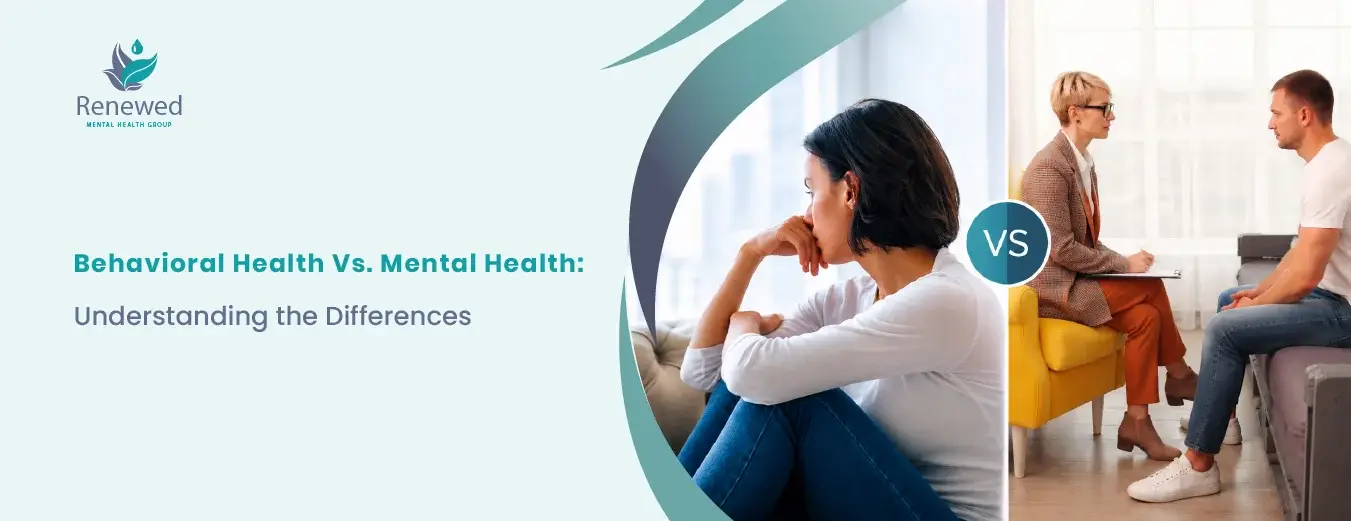





Behavioral health and mental health are closely related, but they focus on different things. Mental health relates to thoughts, feelings, and social well-being. Behavioral health looks at how our habits and daily actions affect our body and mind.
Key Takeaways
- Mental health concentrates on emotional, psychological, and social functioning, while behavioral health analyzes how habits and actions affect mental and physical well-being.
- Whether you are undergoing anxiety, depression, substance use concerns, or unhealthy coping skills, appropriate support can help you oversee challenges and improve your quality of life.
- Understanding the difference between behavioral health and mental health can help people to make better decisions.
Behavioral health is a broader umbrella term that includes mental health. Both influence the way a person manages stress, maintains relationships, and deals with everyday challenges. Getting professional support in a timely manner can help in coping with these challenges.
This blog clarifies the difference between behavioral health and mental health. It will enable you to understand your needs and find the right support.
What Is Behavioral Health?
Behavioral health looks at how our daily habits and actions affect our overall health. It focuses on how our lifestyle choices affect our physical and mental well-being.
Some of the key components include:

- Behavioral health is an internal experience of thoughts, feelings, mood, and perception. These experiences shape the perception and how a person responds to the outside world.
- Behavioral patterns include habits that a person does daily; these can be actions that a person takes when they are stressed. These can be behaviors, such as exercise, or dangerous ones, like relying on substances.
- Life skills contain the abilities that enable people to navigate daily life efficiently, including problem-solving, decision-making, self-care, and managing employment or seeking education.
- People having good, positive connections with family, friends, and community members can also greatly impact their behavioral health outcomes.
- Individuals experiencing trauma or stress, and socioeconomic circumstances can also have behavioral issues.
What Is Mental Health?
It refers to our emotional, psychological, and social well-being. It impacts how we think, feel, make decisions, and deal with daily challenges. It also affects how we treat and connect with others. Mental well-being can be affected by genetics, brain chemistry, trauma, relationships, and our surroundings.
“Mental health is fundamental to our collective and individual ability as humans to think, emote, interact with each other, earn a living and enjoy life.”
— World Health Organization (WHO)
Common mental disorders include:

- Depression: Ongoing sadness, low energy, or loss of interest in activities.
- Anxiety disorders: Strong worry or fear that affects daily life.
- Bipolar disorder: Changes between depression and periods of high energy or mood.
- Post-traumatic stress disorder (PTSD): Emotional and mental symptoms that develop after a traumatic event.
- Schizophrenia: A condition that affects how a person thinks, feels, and sees the world.
- Obsessive-compulsive disorder (OCD): Repeated unwanted thoughts and actions that cause stress.
Mental health can change over time. Feeling sad, stressed, or emotionally upset does not always mean a person has a mental health disorder.
Read more: The Role of Professional Anxiety Treatment Centers in Mental Health
Behavioral Health vs. Mental Health: Main Differences
The primary difference between the two lies in their scope. Mental health mainly includes psychological and emotional well-being, while behavioral health examines actions and habits that affect physical and mental well-being.
| Comparison | Mental Health | Behavioral Health |
| Primary focus | Thoughts, emotions, and psychological well-being | Habits, actions, and their effects on health |
| Common concerns | Depression, anxiety, PTSD, and bipolar disorder | Substance use, unhealthy eating patterns, and harmful coping behaviors |
| Influencing factors | Genetics, brain chemistry, trauma, and life experiences | Lifestyle, social interactions, and coping strategies |
| Treatment approaches | Psychotherapy, medication, and other services | Counseling, behavioral therapy, lifestyle changes, and medical treatment when appropriate |
| Main goal | Support emotional and psychological well-being | Improve health by addressing behaviors and their underlying causes |
To understand the difference between behavior and mental health, we need to understand how thoughts, feelings, and actions affect each other.
How Mental and Behavioral Health Shape Your Life
Mental health concerns affect people across different ages, backgrounds, and communities. According to the World Health Organization (WHO), nearly 1 in 7 people worldwide were living with a mental disorder in 2021, representing approximately 1.1 billion people. Depression and anxiety are among the most common mental disorders. As they impact relationships, education, employment, physical health, and everyday life functioning.
Behavioral concerns, including harmful substance use and unhealthy coping patterns, can create severe challenges. When behavioral and mental health concerns occur together, addressing both may be important for effective treatment.
Behavioral Health Counseling vs. Mental Health Therapy
Behavioral health counseling and mental health therapy are two distinct ways to help individuals cope with their challenges. They both can overlap, as their main focus is on the person’s needs and treatment goals.
Behavioral Health Counseling
Behavioral health counseling often focuses on identifying harmful patterns and developing practical strategies for change. It helps in managing substance use, unhealthy behaviors, eating issues, sleep habits, and lifestyle behaviors. Treatment can include individual counseling, group support, behavioral therapy, and guidance on establishing healthier routines.
Mental Health Therapy
The therapy focuses on emotional difficulties, psychological symptoms, and thought patterns that affect daily life. Therapy can help people manage depression, cope with anxiety, deal with trauma, and respond to emotions in healthier ways. Cognitive behavioral therapy (CBT) is really helpful in changing unhelpful thoughts and behaviors into positive ones.
Do I Need Behavioral Health Or Mental Health Care?
The right treatment depends on your symptoms, demands, and needs. If a person individually struggles with anxiety and alcohol-related problems, they may need treatment for both.
A qualified healthcare professional can assess your situation and recommend appropriate services. You don’t need to decide which category your concern falls into before seeking help.
Behavioral Health Vs. Mental Health Insurance: What Does Coverage Include?
Insurance coverage for behavioral and mental health services depends on your plan, location, and network of providers.
Some insurance plans group both services under behavioral health benefits, while others list mental health and substance use services separately.
Depending on your coverage, it may include:
- Individual or group therapy
- Substance use counseling
- Psychiatric consultations
- Psychiatric medication management
- Inpatient treatment
- Other behavioral or mental disorders
Before you start your treatment plan, check your policy to select which services are covered. Check whether your provider is in-network, whether you need a referral, and whether deductibles, copayments, or prior authorization requirements apply.
The distinction between behavioral health and mental health insurance depends on the benefits included in your specific policy, not simply the name of the service. Contact your insurance provider for clarification about eligibility, covered treatments, and out-of-pocket expenses.
When Should You Seek Professional Support?
Consider professional support when emotional or behavioral difficulties persist, become overwhelming, or interfere with daily activities.
Warning signs may include:
- Persistent sadness, fear, or excessive worry.
- Significant changes in sleep, appetite, or energy.
- Difficulty concentrating or completing everyday tasks.
- Withdrawal from friends, family, or usual activities.
- Increasing reliance on alcohol or other substances to cope.
- Repeated behaviors that negatively affect health or relationships.
A professional assessment can help disclose underlying concerns and identify appropriate treatment. If you’re experiencing ideas of suicide or self-harm, get immediate help from a qualified professional or local emergency service.
Practical Steps to Support Your Well-Being
Everyday habits can lead to good professional care and support overall health.
Consider these practical strategies:
- Maintain a regular sleep schedule.
- Eat balanced meals and stay physically active.
- Make time for supportive relationships.
- Practice mindfulness, meditation, or deep breathing.
- Identify stressful situations and emotional triggers.
- Replace harmful coping behaviors with healthier alternatives.
Progress may take time, and lifestyle changes independently may not resolve every problem. Get professional recommendations when symptoms persist or interfere with daily life.
Ready to Prioritize Your Peace of Mind?
Understanding your concerns can help you take the first step toward appropriate behavioral or mental health care.
Connect with a professional today!
Take the First Step Toward Healing at Renewed Mental Health Group
Our qualified healthcare professionals at Renewed Mental Health Group are here to listen to your concerns and provide care based on your needs. They can assess your symptoms, make a diagnosis when needed, and develop a personalized treatment plan that may include therapy and lifestyle changes to support your overall well-being. We also offer virtual appointments for people who have difficulty commuting or live in rural areas. If you are not in-network with us, we also provide out-of-network and self-pay options for your convenience.
Book your initial consultation today!
Prioritize Your Peace. Contact Now!
Get access to mental health expert and personalized consultations.