




At its simplest, gender dysphoria is the distress, or dissatisfaction, of a person in regard to their gender identity. It means that they are not satisfied with their gender identity or the sex from the time they were assigned at birth. Their gender identity is just their deepest feeling of being a boy, a girl, both, neither of them, or somewhere in between.
Gender identity itself is not seen as the problem. Instead, it is the big discomfort, anxiety, or difficulties that happen because of their mismatch between their inner self and the sex they were assigned at birth.
It is a difference between who you know yourself to be and what the world sees or expects of you based on your behavior, actions and appearance.
This gender change in thinking is “gender dysphoria”, used by experts now. The old term was gender identity disorder, but the name was not accurate, as the focus is on the uncomfortable feeling about the self of a person, rather than the person’s gender identity.
The Clinical Understanding Of Gender Dysphoria
In the world of mental health, we have a serious discomfort that is called gender dysphoria. This is an official diagnosis in the Diagnostic and Statistical Manual of Mental Disorders, 5th Edition (DSM-5).
This diagnosis helps to describe the intense distress a person feels when their internal sense of gender does not match the sex that was said to be at birth.
These feelings can be so strong that they make it really hard to do simple things every day. It greatly affects the person’s ability to function well in daily life.
That deep discomfort can really mess with a person’s life, and treatment helps them feel better and function well.
Here’s an important thing to understand: not every person who is transgender or gender-diverse has gender dysphoria. Some people simply know their gender is different from the one they were assigned, and they live their lives truly as themselves without feeling a lot of emotional pain because of it. For other people, though, the distress is very deep and affects everything they do.
How Distress Manifests In Gender Dysphoria
It is really hard to accept when your feelings about your gender don’t match the body you have. These deep feelings called distress show up in many different ways. These feelings are not just small preferences; they are powerful emotions that truly hurt your well-being.
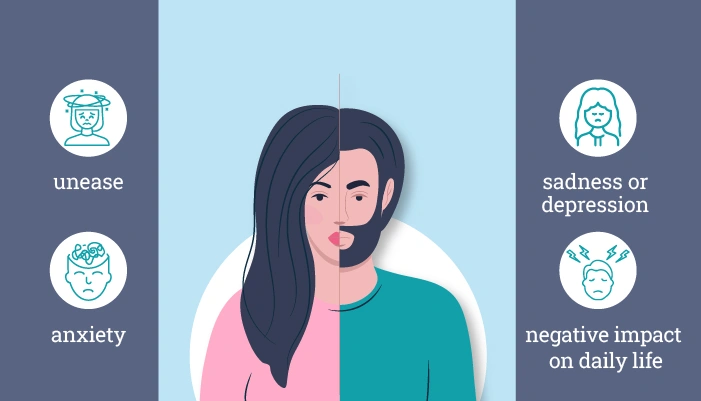
1. Unease:
You may have constant feelings of unease. It is a nagging sense that something important is just wrong or incomplete; these heavy feelings feel like you cannot escape them.
2. Anxiety:
You might feel a lot of anxiety, too. This is intense worry, especially when you are around other people. You worry that others see you as the wrong gender, that you feel about yourself or that you must act in another way that does not feel right for you, which means you must behave in a way that society expects you according to your gender.
3. Sadness Or Depression:
Feelings of sadness, depression, hopelessness and a loss of interest in activities are present in a person who is struggling with gender dysphoria. This happens because it is so hard to live in a world that does not see or accept who you really are.
4. Negative Impact On Daily Life:
All these feelings capture your mind so much that it becomes difficult to deal with the routine work. The internal struggle takes up so much of your mental and emotional energy that it becomes hard to focus on school or work.
It can hurt your relationships and stop you from doing fun things. Living with this constant disconnection inside you is very tough to live a normal life. It is a constant source of stress that makes you feel less worthy and less secure about yourself.
Read More: Best Gender Dysphoria Therapy
Understanding the Core Feelings of Gender Dysphoria
The official criteria for a diagnosis focus on marked, persistent differences between the gender you feel inside now and the sex you were called at birth. This is not just a quick thought; it is a constant, powerful feeling and a set of beliefs.
A person who is experiencing danger dysphoria may report several specific feelings or desires that include:
1. A Strong Wish to Change the Body
This is the main aspect that people see and notice most in the body. The people who are struggling with gender dysphoria have a constant wish to get rid of the body features that determine their gender.
This includes the main body part (like genitals) and other features that develop later in life (like chest size, facial hair, or voice sound). These features feel completely wrong and cause great unhappiness.
2. A Strong Wish For Different Features
On the other side, you feel an equally powerful wish for the main or other body parts of the other gender. It is not just a wish for change; it is a deep longing for your body to match your inner self, a desire to have a body that feels right and complete according to the person’s desire.
3. A Strong Wish to Be Treated as Another Gender
This desire goes beyond the physical characteristics. It is about how you desire to be seen by the world. You feel a strong wish to live, and people accept you as the gender you know you are. You want everyone to see you, call you, and treat you completely as that gender you feel about yourself, with the right name and words for you.
4. A Strong Belief About Your Inner Self
These are the inner feelings that you have typical feelings and reactions of the other gender. This reflects the internal reality. The person feels an inner similarity with the feelings, emotional responses and the psychological experience that are often attributed to their identified gender, which reinforces the mismatch with their assigned sex.
These feelings are not something you choose; they are basic parts of what a person experiences. They show the inner struggle to make an inner truth match the outside world.
Finding Ways How To Deal With Gender Dysphoria
When you know about the symptoms, this is the first step towards recovery. The most important part is how to diagnose gender dysphoria, and figuring out how to handle the tough feelings and live a peaceful life.
Professional Help And Treatment
The main point of treatment is to reduce the feelings that are associated with gender dysphoria. The following treatment varies according to the person.
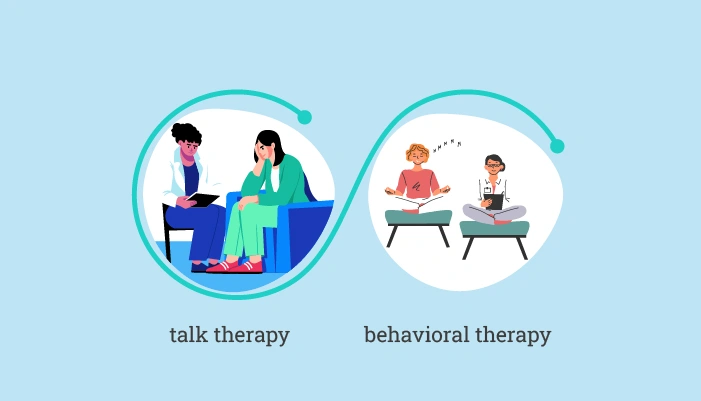
If you feel you have gender dysphoria, and you want to know about the treatments, seek help from a healthcare provider who knows your condition. They can understand and specialize in caring for transgender and gender-diverse people. Treatment can include talk therapy and physical changes in your appearance, like what gender you are and how you feel about yourself.
How Does Therapy Help?
Therapy is not about trying to change who you are; your gender identity cannot be changed, and should not be.
Instead, therapy is super important for managing other problems that come up because of dysphoria, like feeling very worried, depressed, anxiety or trustlessness. A therapist helps you to learn healthy ways to cope in a world that might not always accept you. They give you a safe place to talk about your inner feelings, explore your identity and build up your strength. It is necessary to find a therapist who specializes in gender dysphoria.
Talk Or Behavioral Health Therapy
The goal of this therapy is to make your mind feel better and improve your life. It does not try to change your gender identity. Instead, it helps you explore any concerns about your gender and find ways to make your gender dysphoria feel less intense.
This therapy helps you feel comfortable with how you express your gender identity. That can make daily life better, at school, work, and in your social circle. It also helps you with other mental disorders.
The talk therapy can be one-on-one with parents, partners, or a group of friends to:
- Deal with the mental and emotional stress that comes from people treating you unfairly because of your gender identity to reduce the gender minority stress.
- Build a strong group of people who support you.
- Make a plan for how to share your gender identity with the world.
- Find healthy ways to think about your sexuality.
- Make a decision about medical options.
A Better Future Is Possible With Clarity of Mind About Gender Identity
To understand gender dysphoria, you need to be kind to yourself, think clearly, and respect all the different experiences of people who are transgender and gender diverse. It is a real medical issue that is defined by deep distress, not by who the person is.
A Renewed Mental Health Group can help by giving professional support and being accepted in society. We know how to help with gender dysphoria, reduce the pain and come toward a life where they feel whole, supported, and truly themselves. This is a very personal feeling, but one should not go alone. The main aim of treatment is to remove the distress, which allows a person to live as their own inner self simply.