



Do you look for hidden meanings or threats in casual conversations? Or do you remain hyper-alert in social situations? If yes, you might be experiencing paranoid personality disorder!
Approximately 4.41% of the people around the world struggle with this condition. It is a chronic mental health condition marked by a long-term pattern of pervasive suspicion and mistrust. Individuals constantly remain in fear, which severely affects everyday life activities such as relationships, work, & academics.
PPD is diagnosed more frequently among females at birth and unhoused populations. People in this state often remain isolated and alone because of being misunderstood.
What is Paranoid Personality Disorder?
It’s a complex condition that leads to unnecessary distrust, jealousy, & feelings of persecution from others. It severely affects the individual’s thinking, feelings, and behaviors, & it usually occurs in early adulthood.
However, people with PPD are not typically disconnected from reality in the way seen in psychotic disorders, but their views of others remain doubtful or suspicious. It also causes conflict with all types of relationships, including partners and working with colleagues. People experiencing this condition feel doubtful about communicating with a mental health expert, whereas they are trying to help them.
What are the Key Symptoms of PPD?
The symptoms interfere with everyday life activities and severely impact personal relationships.
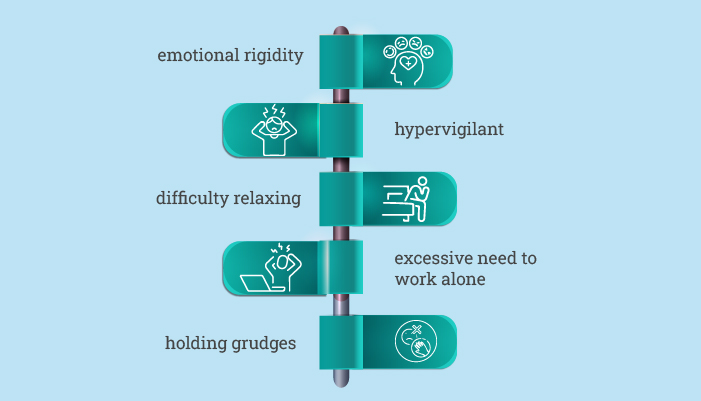
Some of the common key symptoms include:
- Constantly believe that others are trying to deceive them.
- Emotional rigidity
- Excessive need to work alone
- Hypervigilant
- Difficulty relaxing
- Hostile, stubborn, and argumentative
- Exchanging hidden proofs that someone is going to hurt them.
- Holding grudges and being intolerant of perceived slights or insults.
- Attacks on someone’s character, even if they haven’t done anything wrong.
- Remain in suspicion and doubt without any apparent reason.
- Strong belief that others are exploiting them.
- Quick to anger and does a counterattack instantly
- Avoiding sharing information with others
- Negative thoughts about people that they are cruel, threatening, harmful, or hostile without any clear reason.
- False beliefs that their partners are deceiving them.
How does PPD Impact Personal Life?
It is a mental health condition that causes severe effects on a person’s personal and professional life. Approximately 75% of the people with this condition can also have other additional personality disorders, such a BPD, Schizotypal, Narcissistic, and Avoidant (AVPD).
However, this combination of personality disorders makes it difficult to manage everyday life activities. Individuals in this particular state have difficulty trusting people they think of as their partners and friends are unfaithful. They don’t confide in friends, family, or coworkers, which can eventually lead to isolation. Even though intimate relationships are also affected due to the constant distrust, suspicion of betrayal.
Risk Factors of Paranoid Personality Disorder
The exact cause is not fully understood, but it likely involves a combination of environmental, biological factors, brain injuries, & substance abuse.
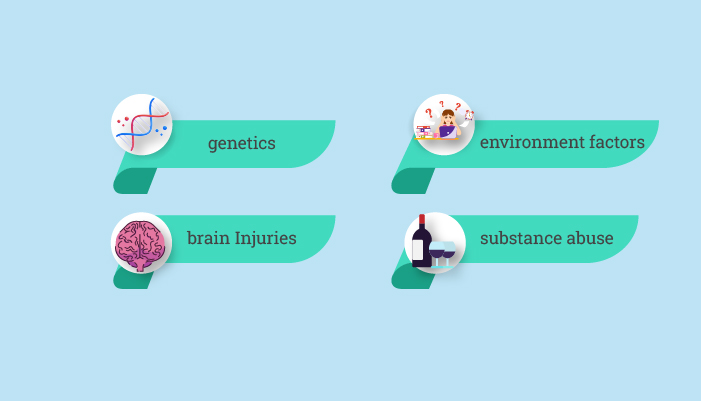
Here are some of the common risk factors that may contribute to the development of this condition:
1. Genetics
Individuals with a family history of schizophrenia, schizotypal personality disorder, and PPD are more prone to developing this condition. If anyone in the close family has been through this condition, there is a high chance that you may also develop it.
2. Environment Factors
People who have been through neglect, abuse, or victimization in childhood or live in low-income households are at high risk of developing this condition in adulthood or in their teenage years. Moreover, as there are high rates of women developing this, females who have been through divorce, are widowed, or have never been married are also prone to developing this condition.
3. Brain Injuries
Individuals with traumatic brain injuries are at high risk of developing this condition. Injuries to the frontal and temporal lobes are most commonly associated with an increased risk of developing PPD symptoms.
4. Substance Abuse
People who take substances excessively are also at high risk. Excessive use of cocaine, alcohol, and other substances leads to long-term mental health disorders & causes individuals to act in a paranoid manner.
How can paranoid personality disorder be diagnosed?
This condition is difficult to diagnose as the personalities continue to evolve throughout childhood. However, this condition cannot be diagnosed until the age of 18. Most people with a personality disorder don’t think there’s a problem with their behavior.
Moreover, people often seek support due to other related conditions like depression, anxiety, or the problems created by their personalities.
A mental health specialist suspects someone might have PPD after conducting some interviews or looking at the symptoms. They check the family history, medical history, previous work history, and impulse control. Moreover, a mental health expert diagnoses the condition according to the DSM-5 (Diagnostic and Statistical Manual of Mental Disorders) criteria.
How to treat Paranoid Personality Disorder?
It is highly treatable, but most individuals have trouble taking treatment. They have extreme trust issues & they think that even the mental health specialist wants to cause harm, although they wanted to help. However, people in this particular state think that they are doing well & don’t see their symptoms as unwarranted.
“For a person with paranoid personality disorder, their suspicions of others are justified. In their minds, it’s other people who are the problem.”
A mental health expert recommended treatments according to the severity of the condition.
They sometimes combine medications with psychotherapies to get the desired outcomes.
Some of the common medications that can help in reducing the symptoms include:
- Antidepressants
- Benzodiazepines
- Mood stabilizers
Psychotherapies
Treatments for this condition usually focus on helping people develop coping skills. A mental health expert helps the individual who is suffering by talking to them. Therapeutic approaches often focus on building trust, communication, self-esteem, social relationships, communication skills, and other coping abilities.
Some of the common psychotherapies that help in managing the condition include:
Cognitive behavioral therapy is very helpful for people who are struggling with personality disorders like PPD. CBT helps in changing the thought pattern by intervening in the thoughts.
“During the course of treatment, people learn how to identify and change destructive or disturbing thought patterns that have a negative influence on behavior.”
CBT helps in changing the behaviors by helping them to trust other individuals. They become less suspicious, which eventually helps in maintaining relationships with coworkers and partners.
It’s important to talk to your mental healthcare specialist to determine if medication is right for your unique needs. The symptoms can continue even with treatment, but with the right support, people can improve their quality of life.
Conclusion
Paranoid personality disorder is a chronic mental health disorder that causes extreme issues in everyday life activities and intimate relationships. People with this condition exhibit extreme suspiciousness and an inability to trust others.
The common signs that can help in recognizing the condition include emotional rigidity, excessive need to work alone, hypervigilant, difficulty relaxing, hostile, and argumentative behaviors. They are reluctant to get the treatments well because they think they might also cause harm.
This condition is usually comorbid with other mental health conditions like depression & anxiety. Most people think that this condition is like schizophrenia or other psychotic disorders, but it’s different. It usually occurs due to brain injuries, environmental factors, substance abuse, and genetics. However, treatments are available to reduce the symptoms & to help you live a fulfilling life.
Find support at Renewed Mental Health Group
If you feel like you or any of your loved ones are experiencing the symptoms of PPD, don’t hesitate to seek professional help at Renewed Mental Health Group. Our highly expert, top-notch team offers compassionate care by combining clinical expertise with real-life understanding. Whether you are looking to personalize one-on-one sessions or group therapy sessions, we are here to help!
You can also get telepsychiatric services so that you can get your treatments with ease from the comfort of your home.
Connect with our experts today!