



Schizoid Personality Disorder is marked by emotional detachment and little interest in relationships. It’s very hard for the person to express a full range of emotions. It’s a pervasive pattern of detachment from social connections. The symptoms of ScPD are complex but are different from schizophrenia and schizotypal personality disorder.
Living with this condition can be challenging, as it impacts relationships with friends and partners. However, it is highly treatable with the right combination of medications and therapies.
What is Schizoid Personality Disorder?
ScPD is a chronic and rare personality disorder that is classified under ‘cluster A’ personality disorders, which is marked by pervasive distrust and unusual perceptions, leading to difficulties in relationships and social awkwardness.
In addition, Schizoid personality disorder causes people to feel distant & uninterested in others and leads to difficulties in expressing emotions. People in this particular state often remain aloof & prefer to stay alone rather than forming intimate relationships. They are unaware of the unusual nature of their behavior.
However, it usually begins in adulthood and lasts for a longer period of time. According to the National Institute of Health, approximately 1% to 4% of people around the world experience SPD. It’s a common personality disorder and is more common in men than in women.
People experiencing SPD remain in isolation and a lack of connection, which causes inner distress, low energy, and leads to depression.
What are the Core Symptoms of ScPD?
Here are some of the common symptoms that can help in recognizing the condition:

- People in this particular state have very few friends.
- Individuals choose jobs or activities where they don’t have to interact with others.
- Remain socially detached from family and partners.
- They lack in reaching the goals.
- Little interest in romantic or sexual relationships.
- They don’t care about the criticism.
- Emotionally, remain indifferent or flat.
- Rarely express feelings like anger or joy.
- Lack of pleasure in most of the activities.
- Detachment from others.
- Remain cold, uninterested, and withdrawn.
What are the Causes of Schizoid Personality Disorder?
The exact causes of ScPD are still unknown, but there are some factors that may contribute to its development.
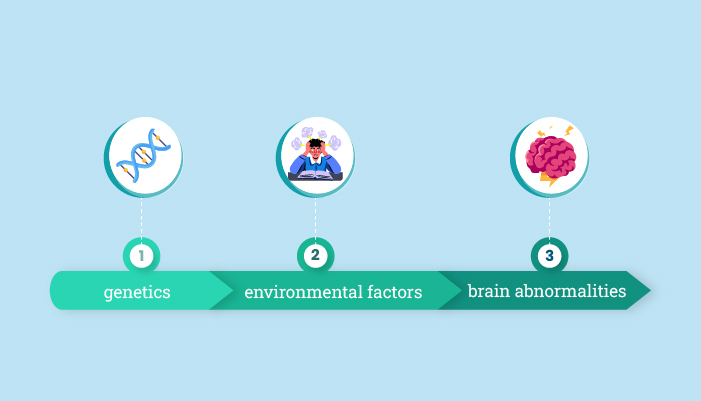
1. Genetics
Genetics plays a major role, as ScPD is a heritable condition. It tends to run in families, which means if any close relative has this condition, you are also at high risk.
2. Environmental Factors
Children who have experienced emotionally detached, neglectful, or intrusive caregivers are also prone to developing ScPD.
3. Brain Abnormalities
According to NIH, the abnormalities in brain structure can also lead to emotional expression & interpersonal functioning, which can lead to developing ScPD.
How can Schizoid Personality Disorder be Diagnosed?
Seeking a diagnosis involves a comprehensive evaluation with a mental health expert. They will conduct an interview with the person who is suffering to do some questionnaires. There are no lab tests to diagnose personality disorders. A mental health expert checks the medical history, family history, and deploys various diagnostic assessments to make an accurate diagnosis. They follow the DSM-5-TR Criteria for diagnosing ScPD.
However, it’s important to note that the personalities change as people grow from kids to teenagers and then into young adults. That’s why a mental health specialist usually waits until someone is 18 or older to diagnose this disorder.
What Treatments are Available to Manage Schizoid Personality Disorder?
Schizoid personality disorder can be challenging to treat, but it’s highly treatable. People with the disorder rarely seek treatment. They struggle with getting treatments because they find it difficult to express their feelings or talk about their issues with a mental health expert.
The nature of these disorders makes it hard to find support and assistance.
Some of the common treatments include:
Medications
There is no specific medicine that can be used to treat this condition, as the symptoms vary in intensity. A mental health expert combines medications with psychotherapy to help treat other conditions that co-occur with ScPD. Some of the common medications that can help in treatment include:
- Antidepressants (SSRIs)
- Antipsychotics
Psychotherapies
Psychotherapy is a talk therapy in which a mental health expert treats the condition by talking to the person who is suffering. Schizoid personality disorder is, unfortunately, one of the less researched, which is why there are very few treatments available for its effectiveness.
Therapies that can help in managing the condition include:
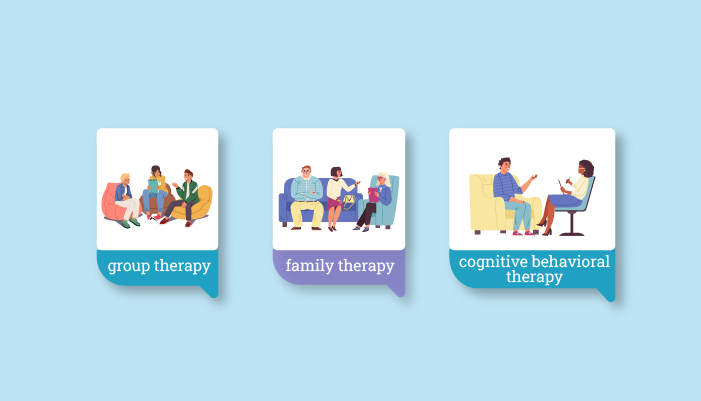
1. Group therapy
It’s a form of psychotherapy that helps to reduce feelings of loneliness and provides a sense of belonging and togetherness. It involves a secure, stable, and caring environment where a small group of people gather together and share their life journey with each other. It provides a structure in life and makes us learn, heal, and grow. Group therapy may help someone with this condition develop social skills.
2. Family Therapy
In family therapy, the therapist involves the family members in the therapeutic process. In some cases, family therapy may be helpful for understanding the family’s expectations or relationships. They address the behaviors of the person that might contribute to the withdrawal and help to change them.
3. Cognitive Behavioral Therapy
CBT is a goal-oriented type of therapy. It helps by taking a closer look at thoughts and emotions to understand how their thoughts affect their actions. A mental health expert helps in changing the thought patterns and perceptions into helpful ones. CBT can help people identify problematic thoughts and behaviors and develop new coping strategies.
Nurture Your Mental Well-being at Renewed Mental Health Group
Schizoid personality disorder severely impacts personal and professional life and also causes distress for people around them. However, with proper treatments, individuals can live a happy, fulfilling life. So, if you or anyone around you is suffering from this condition, Renewed Mental Health Group is here to help.
Our highly expert team of professionals provides compassionate, evidence-based treatments to help you live a fulfilling life. You can get customized care according to the strength, preference, and severity of the condition.
We provide group and one-on-one sessions tailored to your unique conditions. You can also receive treatments from the comfort of your home through our telepsychiatric services.
Book your consultations now!