



Mental health conditions, such as Schizophrenia and Autism, are both severe and long-term disorders that affect the functioning of the brain. There is no specific reason, how these conditions are formed, but according to recent studies, both are caused by genetics and environmental factors. But what happens if both conditions occur together? Let’s delve into this article to learn more about schizophrenia and autism.
What is Autism?
Autism affects the neurotransmitters, and individuals with ASD have difficulty in participating in daily life, such as social interaction, communication, and eye contact. It usually arises in childhood and precedes the whole life.
Symptoms of Autism
Here are some common signs by which you can identify autism. These include:
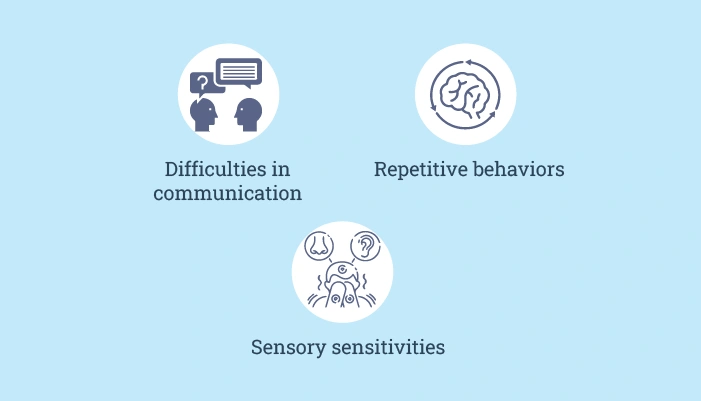
- Difficulties in communication
- Repetitive behaviors
- Sensory sensitivities
What is schizophrenia?
A psychotic disorder in which individuals lose their sense of reality and start thinking illogically. This disorder is very severe, and people suffering from this disorder also have paranoid thoughts. Schizophrenia negatively impacts brain functioning.
Symptoms of schizophrenia
Here are some common signs by which it can be diagnosed easily. These include:
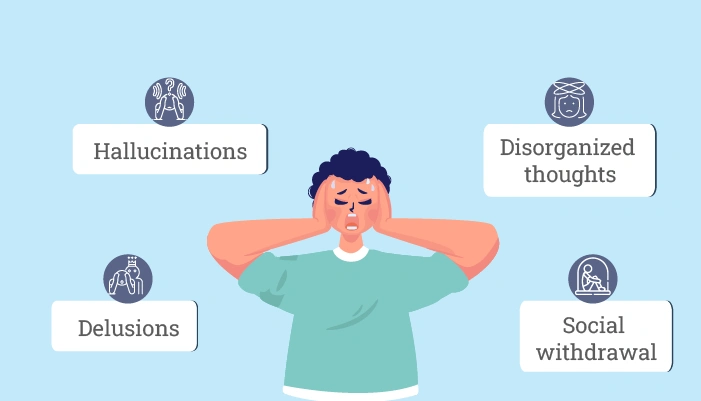
- Hallucinations
- Delusions
- Illogical thoughts
What happens if schizophrenia and autism occur together?
Schizophrenia and Autism are two most complex mental disorders; if they occur together, it may cause serious side effects on health.
Here are some factors these include:
1. Prevalence and Occurrence
A recent study suggests that individuals with autism are at a greater risk of developing schizophrenia. The comorbidity rates of autism and schizophrenia are approximately 3% to 37%.
2. Genetics and Environmental Factors
Schizophrenia and Autism both share genetic vulnerabilities. Both conditions are different from the same hereditary syndrome. Here are some factors that may contribute, such as
- prenatal and perinatal complications
- Maternal infections
- exposure to environmental toxins
What are the overlapping symptoms in schizophrenia and Autism?
There are some overlapping symptoms by which the diagnosis. These include:
- Societal challenges
- Sensual difficulties
- Issues with executive functioning
- co-occurring mental health issues
What are the differences in symptoms of ASD and Schizophrenia?
Here are some symptoms through which individuals may get to know either its ASD or schizophrenia. Theses include:
| symptoms/behaviour | Autism spectrum disorder(ASD) | Schizophrenia |
| Communication | Having trouble understanding the language, repetitive speech patterns | Trouble in organizing thoughts, not able to convey the message while speaking |
| Repetitive Behaviors | Repetitive behavior such as hand-flapping or rocking | Repetitive behaviors are not present in individuals with schizophrenia |
| Cognitive Functioning | cognitive difficulties, less intellectual level | Reduce cognitive difficulty |
| Social Interaction | Difficulty communicating, interacting, and maintaining eye contact | Trouble interacting and communicating |
How to diagnose ASD and schizophrenia?
Diagnosis of autism and schizophrenia requires a comprehensive approach in which a healthcare professional sees overall health history, common symptoms, and behaviours.
- Autism can be diagnosed by monitoring social engagements and communication, and looking for repetitive behavior. All of these symptoms must be present from childhood.
- If a person is experiencing delusions or hallucinations or any illogical thinking and its present for a long time period that can be a sign of schizophrenia.
What treatment is available to treat the comorbidity of Autism and schizophrenia?
Some therapies and medication can be advised by the mental healthcare professional to reduce the symptoms. Medications include:
Medications
Medication is a vital part of treating any mental health conditions. There are some medications that are usually prescribed by mental healthcare experts for treating the comorbidity of autism and schizophrenia. These include:
- Antipsychotics
- SSRIs
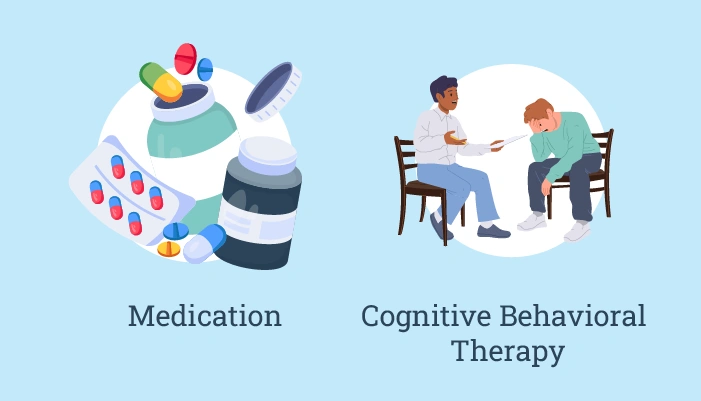
These medications can be prescribed by monitoring the severity and age. SSRIs are used to treat anxiety and depression in autism, and antipsychotics treat the symptoms of schizophrenia, such as hallucinations and delusions. For better outcomes, mental health care suggests getting therapies with a combination of medication.
What therapies are available for Autism and schizophrenia?
Along with medications, therapies are also very important for better outcomes. Here are some of the most common therapies that can be very helpful for the treatment of Autism and schizophrenia. These include:
1. Cognitive Behavioral therapy
This therapy is a beneficial technique for helping individuals with autism or schizophrenia. It helps in changing the negative thoughts and feelings that are bothering them. CBT helps to manage thoughts, behavior for a healthy living.
2. Social Skills Training
Both conditions face difficulties in social gatherings, such as communicating. Through this therapy, individuals learn how to cope with these issues.
Conclusion
Autism and schizophrenia are two distinct mental health conditions. Both can occur together. ASD usually arises in childhood, and schizophrenia in old age. Both conditions are incurable with the help of medication and therapies, but we can reduce the symptoms. In a recent study, researchers suggest that if a person has autism, there are greater chances that they may develop schizophrenia as well. Autism and schizophrenia are both severe conditions that need extra care and support.
Connect with Renewed Mental Health Group
If you want to live a mentally stable life, then renewed mental health is the best option for you. We have a team of mental health professionals who will help you in your healing journey. At Renewed Mental Health Group, we provide treatments for children and adolescents. We also provide telehealth services and physiatric medication management.