



Bipolar disorder is one of the most complex mental health disorders, which causes one to experience extreme shifts in mood. Its symptoms can mimic those of both depression and anxiety disorders. It is characterized by dramatic mood swings from a high anxiety state of mind to very low, depressive episodes.
But the question is, can a family history of bipolar disorder increase the risk of developing this condition? The answer is yes!
As per the research by the National Institute of Medicine, people with genetic factors are 60% to 85% of the risk.
However, it is not characterized by a single gene but a complex interplay of different genes and environmental factors.
Read on to learn more about bipolar heredity.
What is Bipolar Disorder?
BD is a chronic mental health condition that causes extreme shifts in mood and energy levels. The highs and lows of this condition are known as “mania” and “depression”. It severely impacts life as it leads to changes in activity, sleep, and behavior that are challenging.
Individuals in this state may experience mood episodes that vary in intensity and last for days, months, or even years. Some people with this condition may have extended periods without any symptoms. Whereas others may experience mania only a few times in their lives.
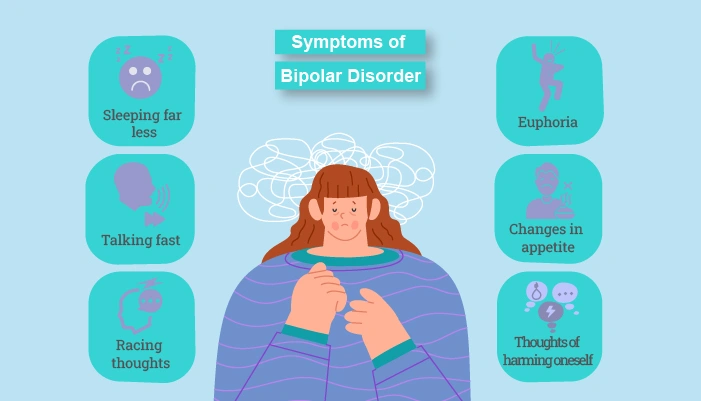
Symptoms of Bipolar Disorder
People experiencing BD experience the following symptoms:
- Decreased need for sleep
- Talking fast
- Racing thoughts
- Euphoria, including increased self-esteem
- Impulsive behavior
- Changes in appetite
- Thoughts of harming oneself
Moreover, BD can also lead to hallucinations and delusions.
Please note that if you have any of the following symptoms, reach out to a mental health professional immediately.
Understanding Heritability of Bipolar Disorder
BD can lead to significant challenges in everyday life. It is one of the most heritable psychiatric conditions, with an estimated 80–85% of heritability rate. This high heritability indicates that genetics plays a major role in the development of this condition.
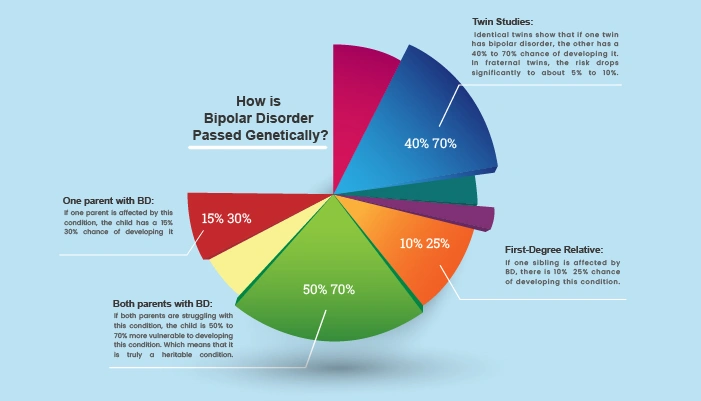
How is Bipolar Disorder Passed Genetically?
Just like diabetes, obesity, and other mental health conditions, bipolar disorder may also be passed down in families. Genetics makes some people more susceptible to this condition than others.
Evidence points to a strong hereditary link in this psychiatric disorder. The following statistics help in understanding the likelihood of developing this condition:
- One parent with BD: If one parent is affected by this condition, the child has a 15% 30% chance of developing it
- Both parents with BD: If both parents are struggling with this condition, the child is 50% to 70% more vulnerable to developing this condition. Which means that it is truly a heritable condition.
- First-Degree Relative: If one sibling is affected by BD, there is 10% 25% chance of developing this condition.
- Twin Studies: Identical twins show that if one twin has bipolar disorder, the other has a 40% to 70% chance of developing it. In fraternal twins, the risk drops significantly to about 5% to 10%.
In a recent study by Psychiatric Times in 2025, scientists identified 298 regions in the human genome that increase risk. It also indicates that some genes overlap with other mental health conditions. The other conditions can be schizophrenia and major depression. This suggests that there is a shared biological root for many psychiatric disorders.
Is There a Specific Bipolar Gene?
Some of the mental health conditions can only occur with one specific gene. However, BD is a bit different from them, as it is considered to be polygenic. It means that bipolar disorder not only occurs because of specific genes. It involves the tiny, cumulative effects of hundreds, or perhaps thousands, of genetic variants.
A recent study by the Stanley Center for Psychiatric Research suggests that AKAP11 is a strong risk factor for developing this condition. This gene interacts with the molecular targets of lithium.
However, there are many other genetic variants of small effects that have been discovered. AKAP11 is the first gene found to have a large effect on bipolar risk.
What are the Other Risk Factors of Developing Bipolar Disorder?
Bipolar disorder not only occurs because of genetics, but there is a broad set of risk factors that go beyond genetics. Here are some of the other factors that may contribute to the development of this condition.
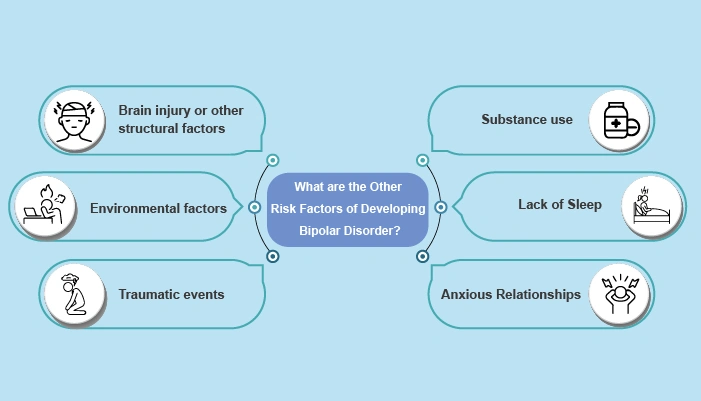
1. Brain injury or other structural factors
People with a history of severe head injury are at increased risk of developing bipolar disorder. The structure of the brain and the functioning abnormalities might also play a major role in the onset of this condition. Moreover, people who are experiencing brain-related conditions, like epilepsy, are more vulnerable to this condition.
2. Environmental factors
Environmental factors can also affect mental health and increase the risk of BD. Individuals who are exposed to infections before birth or have had a premature birth can develop BD later in life. Also, parents with increased stress, prone to substance use, can also increase the vulnerability of this condition.
All these factors help in identifying the condition earlier and help in getting treatment earlier.
3. Traumatic events
Traumatic life events, particularly in early life, can have a gene-environment interaction. It causes changes in the structure and function of the brain over time. There is a major connection between childhood trauma and experiences of bipolar disorder. People who have experienced childhood abuse or neglect are prone to develop this condition. If it remains untreated, it can get more severe later in life.
4. Substance use
Individuals taking excessive substances are prone to develop this condition. Bipolar disorder and substance abuse can occur together. It is influenced by both genetics and environment. The relationship is that excessive intake of substances can increase the risk of developing BD and can also result from it.
Moreover, genetic factors linked to the disorder might also make a person more prone to substance use disorders. Similarly, genes associated with addiction can also increase the risk of this condition.
5. Lack of Sleep
If an individual has disturbed sleeping patterns, it can be an early indication of developing this disorder. Significant changes in sleeping patterns can increase manic episodes in genetically inclined individuals. Sleep disturbances are features of BD and may contribute to its onset.
6. Anxious Relationships
Relationships can have a profound impact on mental health. Relationships can act as sources of support or stress. However, people who have toxic relationships can make bipolar disorder worse. Lack of communication can also trigger misunderstandings and can lead to this condition
Additionally, people who are facing workplace conflicts are also at risk of BD. However, these stressful social factors don’t directly cause BD, but the stress related to it can increase the risk. Stress causes emotional highs and lows and influences their manifestation and severity.
Treatments of Bipolar Disorder
It is a curable condition that may remain undiagnosed for many years. It is often misdiagnosed as depression or generalized anxiety disorder (GAD). However, the manic and hypomanic nature of a bipolar episode can help recognize the condition. As the symptoms of BD can present as a hyper state of mind. This increase in energy levels changes moods and causes intense changes in behavior.
Commonly, it can only be diagnosed by a mental health professional. They follow the Diagnostic and Statistical Manual of Mental Disorders (DSM-5) criteria. Check the medical and family history of the patient. They rule out the condition by conducting interviews with the person who is suffering and the other family members. After diagnosing the condition, they recommend treatments in combination for better outcomes.
A mental health expert tailored the treatment plans as per the severity of the condition. Some of the medications that can be helpful include:
- Mood stabilizers
- Antidepressants
- Antipsychotics
Moreover, therapies that can help reduce the symptoms include the following. Cognitive Behavioral Therapy (CBT ), It is one of the most effective and evidence based therapy. CBT helps in recognizing negative thought patterns and changing them with healthier behaviors.
Interpersonal and Social Rhythm Therapy (IPSRT) helps in stabilizing daily routines, such as sleep and meal times. It eventually helps to stabilize mood.
Moreover, Family-Focused Therapy (FFT), as it helps improve communication and support within families. Family support can be a greater source for managing the difficult symptoms. Also, psychoeducation helps by providing education about the disorder to recognize early warning signs of relapse. Group support, it can also help to remain consistent with the treatment. Patients meet other individuals who are struggling with the same mental disorders. This reduces the isolation and stigma.
It’s important to not only get proper treatment and therapy for Bipolar Disorder. However, it is also important to establish and maintain a positive routine. It can be deep breathing, journaling, or following a sleep schedule. It can help you navigate the challenges of this condition.
Find Hope & Healing at Renewed Mental Health Group
Living with bipolar disorder is very difficult. If you or any of your loved ones are experiencing the symptoms of BD, get immediate help! The most important step is to make that first call. It’s not uncommon for someone to dismiss a manic or depressive episode as something that was just temporary after their mood shifts back to a more normal state.
At Renewed Mental Health Group, we have a team of mental health professionals who provide exceptional treatments. Our top-notch experts are dedicated to helping you by providing evidence-based treatments. We offer treatments with a multidisciplinary approach. Our expert psychiatrists understand all major or minor symptoms and can provide holistic treatment options.
This way or another, you can learn how to control your mood and anger, and how to react in different situations.
Call us or send us an email to book an appointment!