
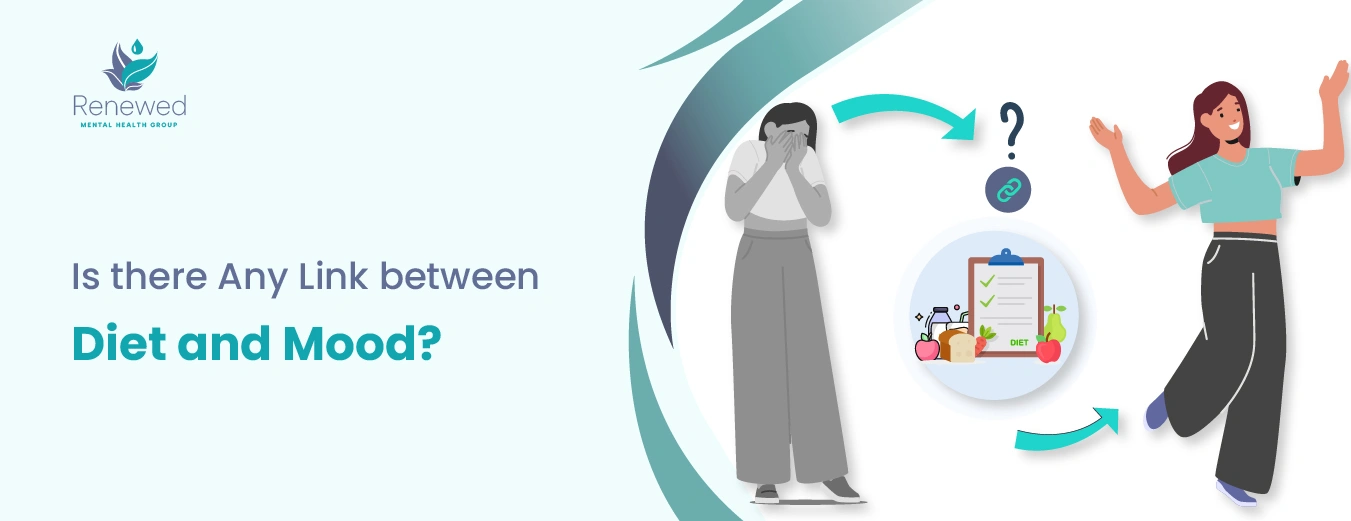



‘’ Yes, there is a major connecting link between diet and mood. A healthy, nutritious, and enriched diet favours the release of neurotransmitters, positive mood, and optimal cognitive functioning. Unhealthy mood can negatively affect the mood due to high sugar levels, inflammation, and negative changes in the GI tract.’’
Do you know that whatever you eat directly affects your mood? Have you ever felt calm after eating chocolate or drinking a cup of warm soup? How many times have you felt bad after skipping or having a bad meal? Food not only affects your physical health but also your mood and mental health, as it results in the release of specific neurotransmitters in the brain, such as dopamine and serotonin. Unhealthy food items can result in the development of the most common mental health issues, such as anxiety or depression.
If you are concerned about knowing more about the connection between diet and mood, and how your food choices affect your mood, then read this article. You will also get information on what the main tips or strategies are that can lift your mood and not harm your mental health. So explore now!
Nutritional Psychiatry: Gut-Brain Connection
Multiple studies have reported a significant link between diet and mood. Foods or supplements contain the amino acids, which are major building blocks of neurotransmitters.
If you have good food items in your routine, e.g, the right vitamins, minerals, then they not only aid in significant production but also release and function of neurotransmitters in the brain. The hormones that are released on food intake have varied functions in the body, including:
1. Serotonin
Serotonin is a major neurotransmitter that plays several functions, such as:
- Mediating moods
- Regulation of sleep and appetite
- Inhibition of pain receptors
Did you know? Your gastrointestinal tract not only helps in food digestion but also guides or controls the emotions. This is due to serotonin. Approximately 95% of serotonin is produced in the GI tract, whose lining is filled with several neurons or nerve cells. This is why it is also named as enteric nervous system or the second brain.
Foods that Favor the Release of Serotonin
The following is a list of food items that can support the release of serotonin:
Plant-Based Protein Sources
Animal-Based Protein Sources
Dopamine
When you eat tasty food, your body sends signals to the brain, and it results in the release of a specific neurotransmitter, dopamine, in the brain. The released dopamine generates the sense of pleasure, reward, and motivation.
In addition, it also urges individuals to find and eat the same foods to experience the same feeling of pleasure and calmness.
Foods that Favor the Release of Dopamine
Several foods can result in the release of dopamine, such as:
- Foods rich in copper, magnesium, Vitamin B6, and Vitamin B9, and magnesium
- Protein-rich foods
- Foods rich in tyrosine, L-Dopa, and Phenylalanine
Norepinephrine
Norepinephrine is another major neurotransmitter that also plays a vital role in mood regulation. In addition, it can influence the appetite. Any imbalance in the level of this neurotransmitter can also result in the development of mood disorders.
Other major hormones that are linked to mood include:
- Histamine
- Acetylcholine
Does the Brain require food?
As the brain works harder 24/7, it also needs some fuel or energy that comes in different forms, such as:
- Glucose
- Oxygen
The food you take contains glucose, which then undergoes breakdown,so you get the energy that is in the form of adenosine triphosphate (ATP). Oxygen helps in the breakdown of ATP which then consumes in the cells of the body.
Whatever you eat directly affects the structure and function of the brain. Then, ultimately, it influences the mood.
So you should be highly careful while choosing the food items. Remember that your body is like any vehicle as if you put high-quality fuel in it, it will automatically affect its efficiency. However, if you put less quality fuel then its efficiency can get reduced.
Likewise, if you eat healthy and nutritious food items, then you can enjoy a good mood and sound mental health. However, if you are eating unhealthy food items, then you will feel bad, and it will affect your mental health. A diet that is rich in highly refined sugars can harm the body. They not only increase the insulin levels but also can result in an increase in oxidative stress and inflammation in the body. In addition, it can also increase the severity of mood disorders such as anxiety, depression.
So always be careful in your food choices if you want to make a positive difference in your lives.
How Do Foods Affect mood?
Food can strongly affect the mood in the following way:
1. Nutritional Deficiencies
If your body is deficient in essential nutrients such as magnesium, iron, zinc, and certain vitamins, then there is an increased probability that you will suffer from mood disorders.
2. Blood Sugar Fluctuations
Several studies have reported that high blood sugar levels can also cause mood swings. Your brain also needs balanced sugar levels to function in an optimal manner. If the blood sugar levels are low, then it can result in the following conditions:
- Anxiety
- Fatigue
- Irritability
- Depression
Moreover, it can also result in negative changes in mood or mood swings.
Read More: What areDifferent Types of mood?
3. Influence of Microbiome on Mood
Microbiome, known as good bacteria, also helps in mood regulation through the gut-brain axis.
They have multiple roles, like:
- Activation of neural pathways between the brain and the gut
- Protection of the intestines from bad bacteria
- Effective absorption of nutrients from food
- Protection from inflammation
What to Avoid?
If you are taking highly processed foods or your food does not have any fiber then it can result in disruption in the microbiome of the gut. As they also play a role in managing mood so your mental mood and ultimately mental health also get affected.
1. Diet and Inflammation
Unhealthy food items not only affect the mood but can also cause inflammation in the body. In addition, inflammation can also result in the development of mood disorders. Therefore, it is always advised by experts to take anti-inflammatory food items such as healthy fats, plant-based proteins, and whole grains etc.
2. Emotional Eating
A number of people consider the food a source of comfort when they get sad or feel low. They try to cope with their stress by overeating. However, this results in unhealthy eating patterns and also negatively affects the mood.
Does Your Brain Need Some Rest?
The brain is the major controlling center of your body, as it controls several functions in the body. Your heart rate and respiration are under the control of the brain. Likewise, whatever you say, think, feel, and show body movements are all directly controlled by the brain. As your brain works harder, it means that it also requires some rest. The brain rest does not mean that it shuts down all operations. However, it involves resting from the mental tasks and the sleep time, where your brain gets some time to rest.
Obesity and depression
A recent study has reported that there is a major link between obesity and depression. If the person is obese, then there are higher chances of suffering from anxiety or depression. Likewise, if the person is depressed, they become more prone to suffer from anxiety or depression.
Which food items can boost the mood?
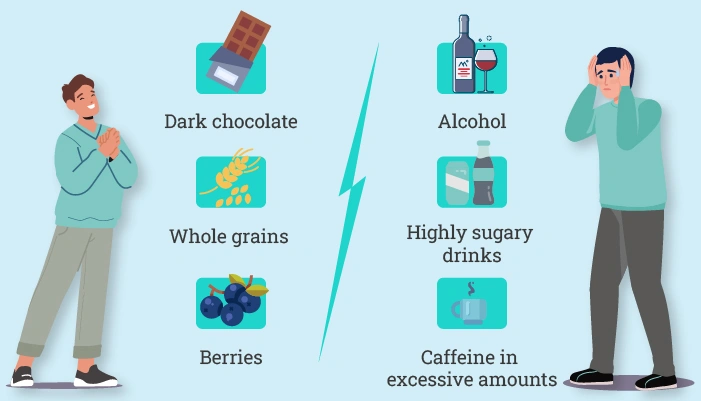
There is an extensive list of food items that can uplift your mood, such as:
- Dark chocolate
- Leafy green vegetables
- Whole grains
- Berries
- Nuts and seeds
- Fermented food products
Which Food Items Can Negatively Affect the Mood?
If you do not want to experience a bad mood, then you should avoid the intake of the following food items:
- Highly sugary drinks or other products
- Alcohol
- Caffeine in excessive amounts
- Highly processed foods
- Extract-containing snacks
What is the Risk of Depression From Different Food Choices?
If you eat healthy and nutritious food items, then there are reduced chances of the occurrence of depression.
How to prevent mood issues with the help of diet?
By the help of the following ways, you can manage your mood.
1. Pay Attention to Your Diet
- If you want to enjoy sound mental health, start focusing on your food choices.
- In addition, find out what you feel about every meal.
2. Prioritize a Clean Diet
Follow a clean diet routine. Add proteins, carbohydrates, and essential fats to your diet. In addition, cut out all the processed food and also items from your meals.
What to do:
- Make a routine
- Stick to that routine for about two to three weeks.
- Observe yourself that what you feel after every meal.
Seek professional help
If your mood swings are getting worse, then immediately consult the professionals to get a treatment plan for mood disorders.
Concluding Thoughts
There is a strong influence of food on the brain, other than your gastrointestinal tract. If you are taking the best quality food, then it means that you are protecting your brain and mental health. Your food intake also causes the release of some major hormones in the body, which affect your mood, such as serotonin, dopamine, etc. Moreover, alterations in blood sugar levels, nutritional deficiencies can also influence the mood. Therefore, the choice of food items is extremely important for experiencing mood stability. If it gets worse, then it can also result in the development of mood disorders.
Choose Renewed to Choose Mental Wellness!
Renewed Mental Health Group is a leading platform where you can find highly reliable psychiatric services for all individuals, including children, adolescents, and adults. If you are suffering from any mood disorder or are unable to manage your mood swings, then Renewed should be your first choice.
Here, you can find personalized mental health treatment plans that suit the mental health requirements of each individual.
Other than in-person, we also offer virtual care with the help of a telehealth service. So if you are facing difficulty in physical commute, then without going anywhere, you can join the virtual appointments and get the best mental health treatment.
Stop suffering alone. Take a step ahead towards the journey of mental wellness.
Schedule an appointment with our mental health professionals and get rid of your mental illness.